.png)
We are a small, dynamic team of the best designers, project managers & construction crews in the Bay Area. We pride ourselves on efficiency, beautiful design & streamlined construction and exceptional communication.

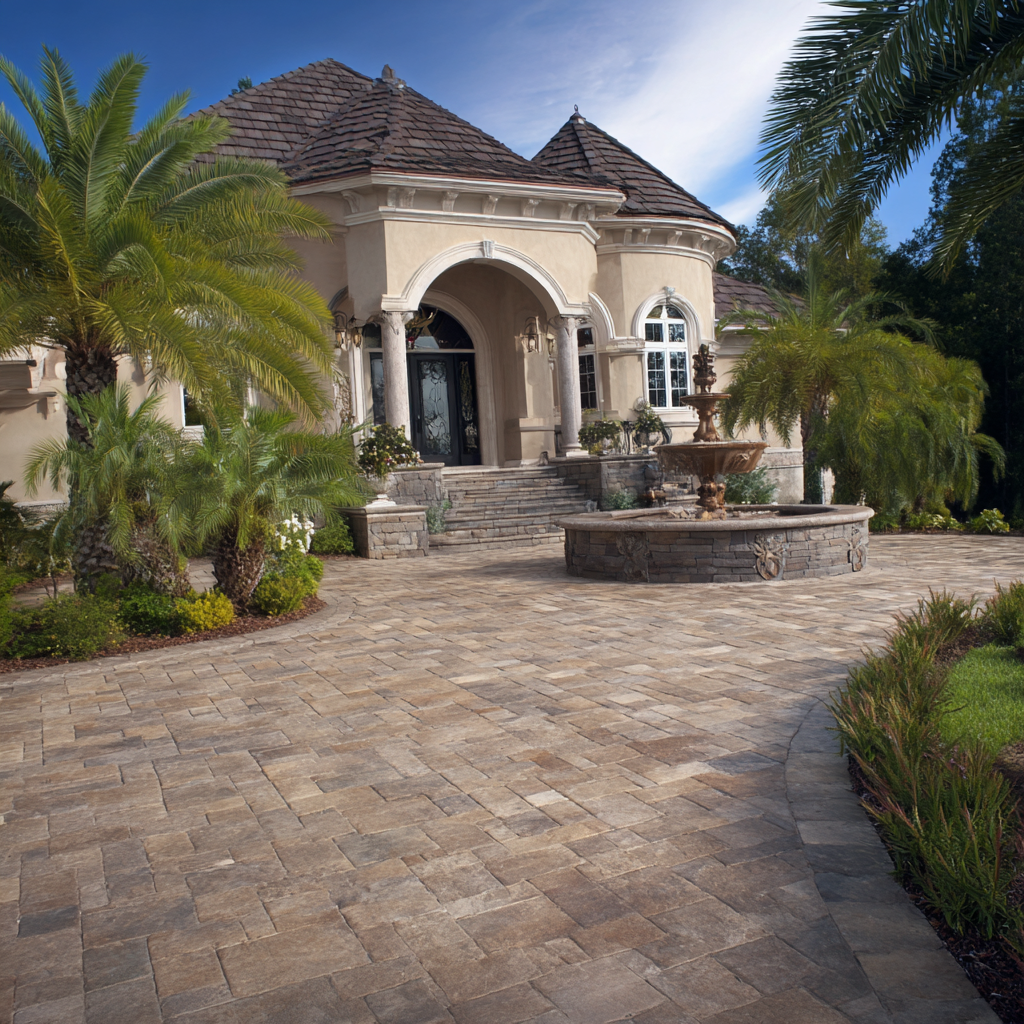
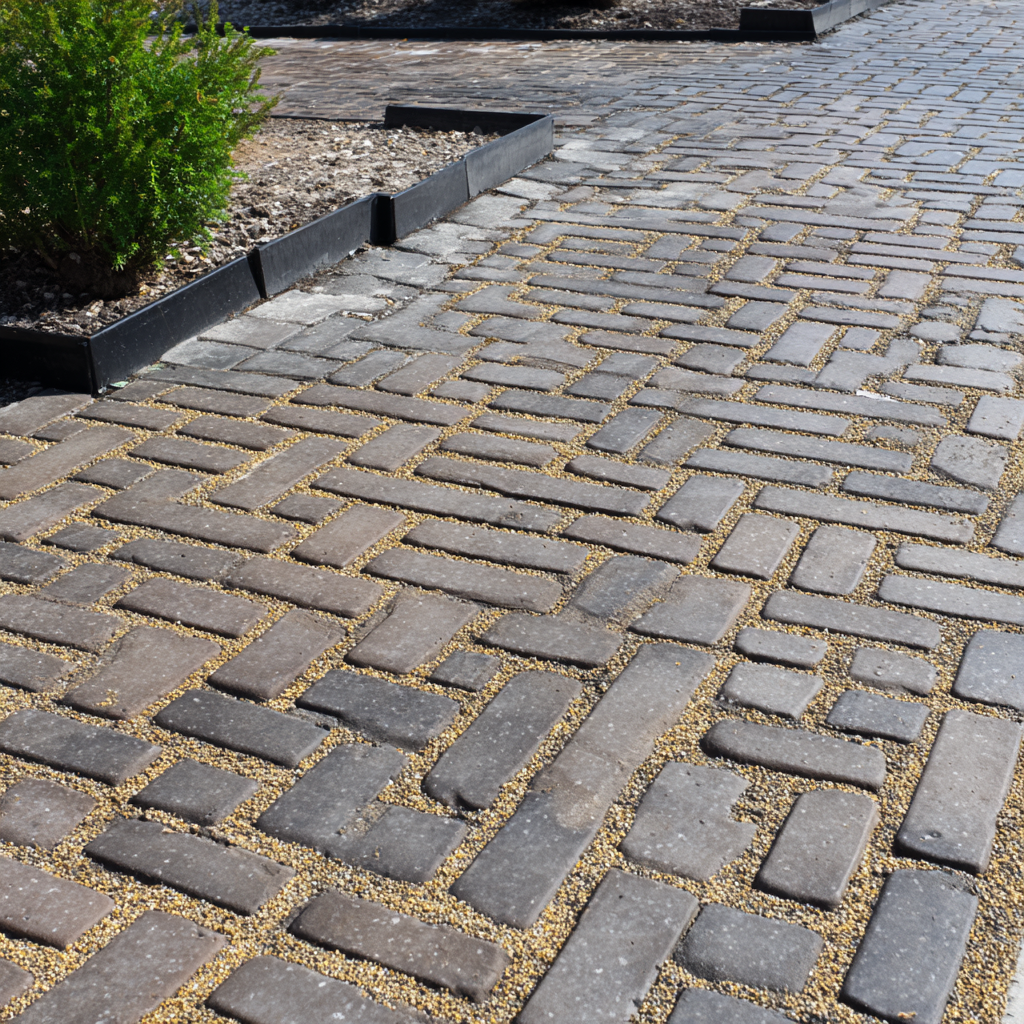
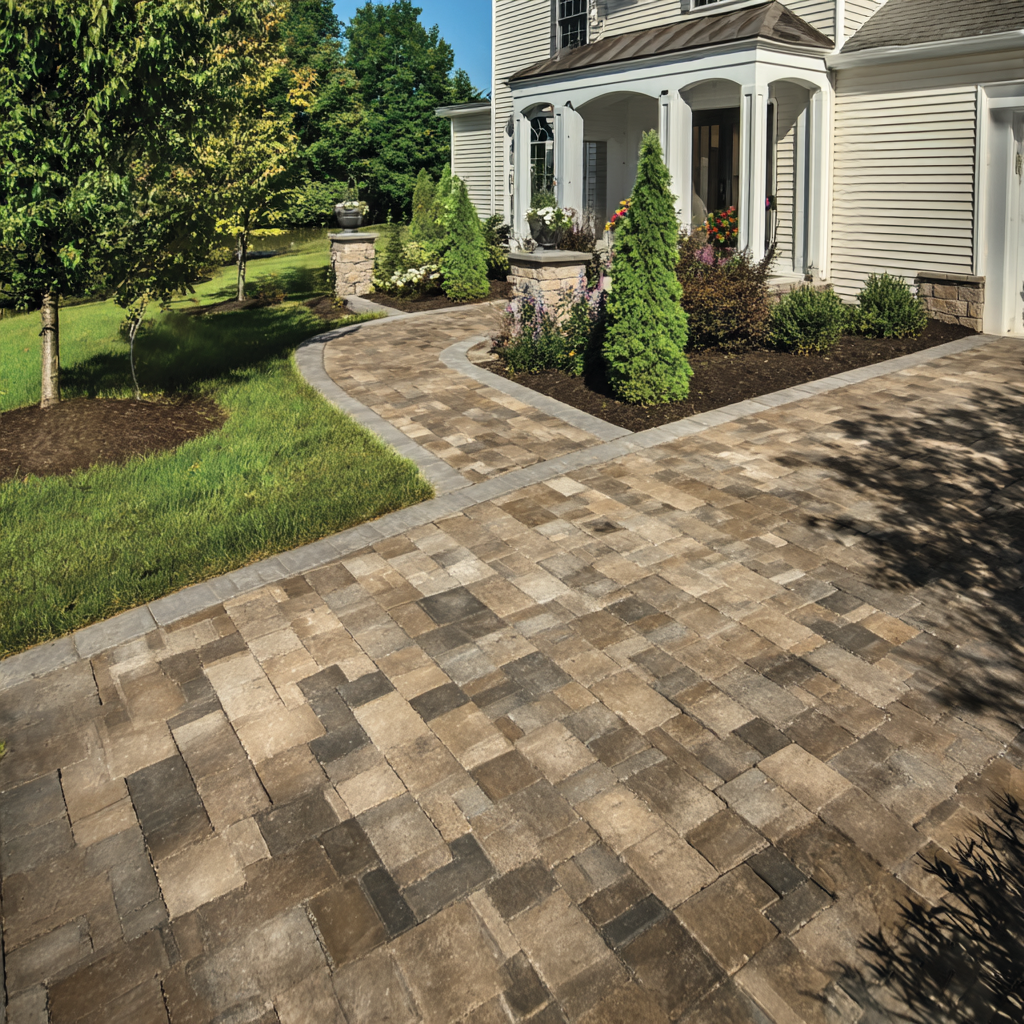
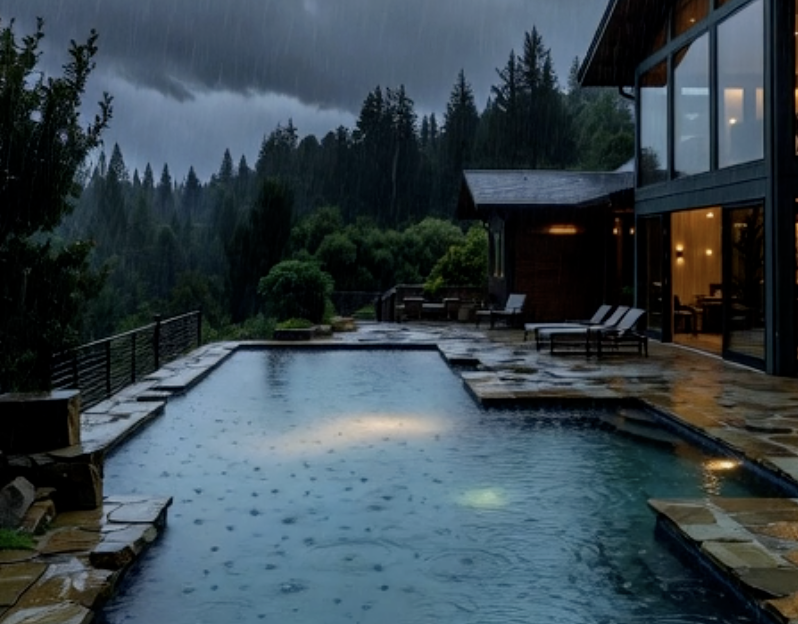
Bayside Pavers crafts exquisite paver pool decks that transform your pool or hot tub area into a Bay Area masterpiece, merging safety, beauty, and practicality. We use pavers or natural stone to create slip-resistant surfaces, perfect for bare feet, ensuring a clean and secure space for entertaining. The process starts with site prep, followed by a compacted crushed stone base for stability and drainage. Pavers like Belgard or Calstone, or elegant natural stone, are laid in a custom design—from classic grids to intricate mosaics—accented with coping to frame the pool edge with a beautiful finish. These materials withstand water and wear, offering a clean, low-maintenance deck that prioritizes safety. Ideal for gatherings or quiet dips, our paver decks elevate your outdoor oasis.

We believe in a collaborative process with all of our clients, gathering as much information as possible, then delivering exact quotes (not estimates). Our construction team operates efficiently with most projects initiating within 2 weeks of the agreement.
Schedule an initial consultation with one of our exceptional designers to take your dreams and ideals and turn them into reality.
After the appointment, our designers will work diligently on crafting a design that meets all your criteria and stays within your budget.
We will meet you back at your home to discuss the final design, play with pricing/project scope to fit your budget, then schedule an install date.
Construction for most projects can start within 2 weeks. Our English-speaking project managers will streamline the process from start to finish.
<iframe id="form-Acuity" src="https://app.acuityscheduling.com/schedule.php?owner=14814513&ref=embedded_csp" title="Schedule Appointment" width="100%" height="800" frameBorder="0"></iframe><script src="https://embed.acuityscheduling.com/js/embed.js" type="text/javascript"></script>


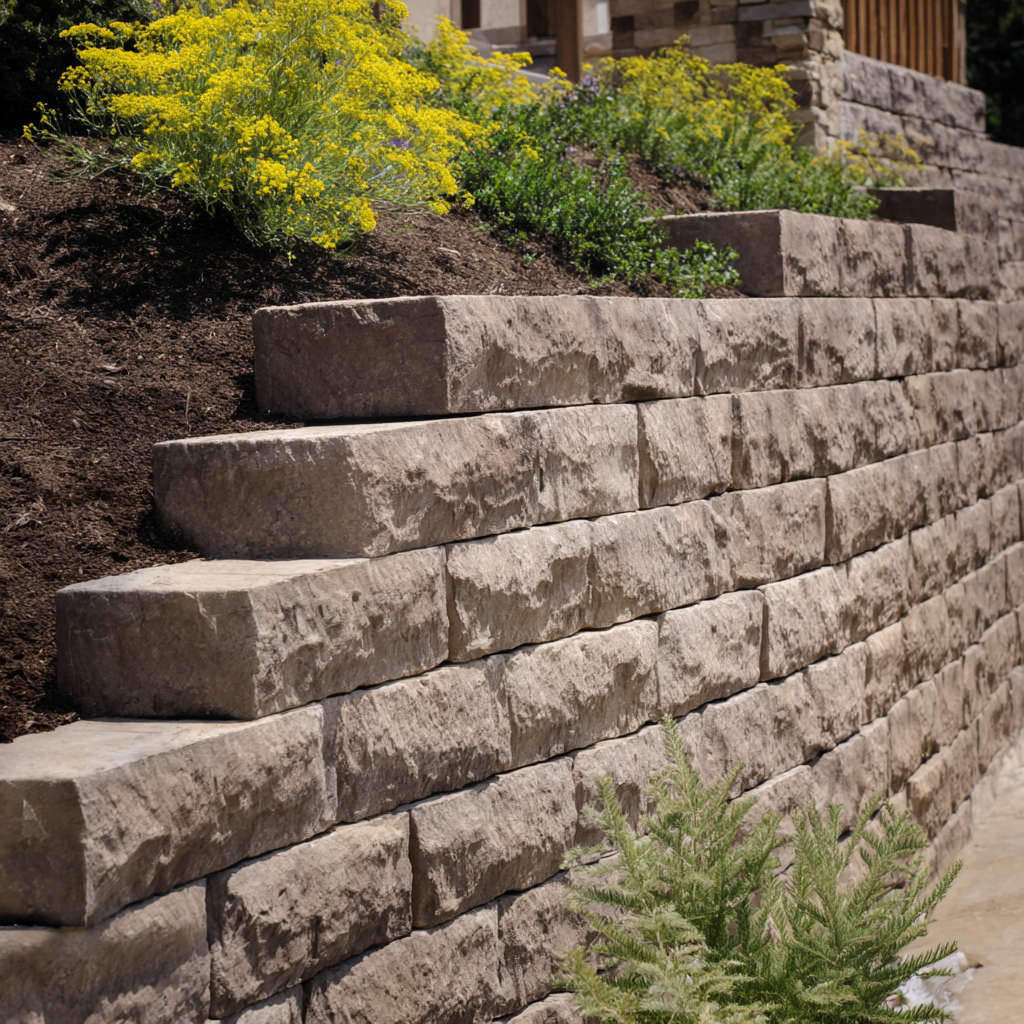
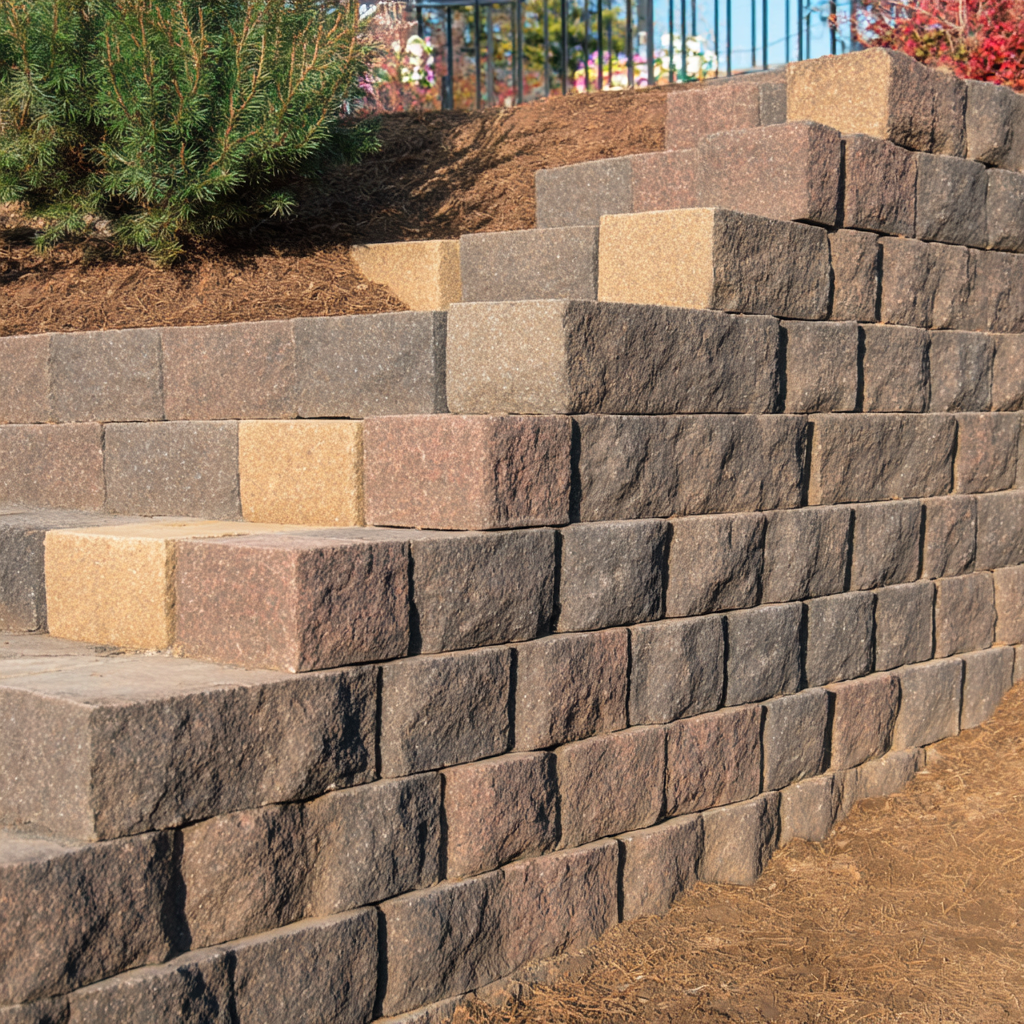
Retaining walls are more than just functional structures; they are essential elements of landscape design that can enhance the beauty and usability of outdoor spaces. Among the various materials available, Basalite blocks have emerged as a popular choice in California, owing to their durability and aesthetic appeal. In this article, we will delve into the latest Basalite Retaining Wall Design Trends that are shaping landscapes across the state, exploring how these trends not only elevate aesthetics but also improve functionality.
Basalite is a leading manufacturer of concrete masonry products, renowned for its quality and innovation. Their retaining wall blocks are designed to withstand the test of time while offering a range of styles and finishes. Here are some key features of Basalite products:
Common question: What are the benefits of using Basalite blocks for retaining walls? Basalite blocks offer durability, aesthetic appeal, and ease of installation, making them an excellent choice for both residential and commercial projects.
As landscape design evolves, so do the trends associated with retaining walls. Here are some of the most prominent trends in Basalite retaining wall design:
One of the leading trends is the use of Basalite blocks that mimic the appearance of natural stone. This design integrates seamlessly into outdoor environments, providing a rustic yet refined look.
Color variation in retaining walls is gaining popularity. Homeowners are opting for blocks that come in multiple hues to create visually appealing patterns and designs.
Incorporating greenery into retaining walls has become a popular trend. Basalite blocks can be designed to support vertical gardens, enhancing both beauty and air quality.
Geometric patterns and shapes are also in vogue. Unique designs can create dynamic landscapes that stand out.
Common question: How do color variations enhance the design of retaining walls? Color variations can add depth and visual interest, making retaining walls more attractive and harmonious with the surrounding landscape.
While aesthetics are crucial, the functionality of retaining walls cannot be overlooked. Basalite retaining walls serve multiple purposes:
Common question: What are the primary functions of retaining walls? Retaining walls primarily retain soil, manage drainage, and can also serve as functional outdoor seating.
To illustrate the impact of Basalite retaining walls, let's look at a few case studies:
A homeowner in San Diego used Basalite blocks to create a terraced garden. By integrating color variations and natural stone aesthetics, the garden became a focal point, attracting compliments from neighbors.
A commercial property in Los Angeles utilized Basalite retaining walls to manage a steep slope. The walls not only provided necessary soil retention but also created an attractive landscape that enhanced the property's curb appeal.
A community park in San Francisco incorporated Basalite blocks to create seating areas around a playground. The walls provided safety while also serving as a gathering space for families.
Common question: How can Basalite retaining walls be used in commercial landscaping? Basalite retaining walls can enhance aesthetics, manage slopes, and create usable spaces in commercial landscapes.
Basalite retaining walls require minimal maintenance. Regular inspections for cracks or damage are advisable, along with occasional cleaning to remove debris.
While DIY installation is possible, hiring a professional is recommended to ensure proper drainage and structural integrity.
With proper installation and maintenance, Basalite retaining walls can last for decades, making them a durable choice for landscaping.
The latest Basalite Retaining Wall Design Trends not only enhance the visual appeal of landscapes but also provide essential functionality. From natural stone aesthetics to innovative designs that incorporate greenery, these trends reflect a growing appreciation for both beauty and utility in outdoor spaces. As you consider your next landscaping project, keep these trends in mind to create a stunning and practical environment.

In the quest for sustainable development, one innovative solution gaining traction is the use of grass pavers for sustainable parking solutions. These eco-friendly paving options not only provide functional parking spaces but also help reduce runoff and promote sustainability, especially in regions like California that are prone to drought. This article explores the various aspects of grass pavers, including their benefits, how they function, and their role in sustainable parking solutions.
Grass pavers are permeable paving systems designed to support grass growth while providing stability for vehicle traffic. They are typically made of plastic or concrete grids that allow soil and grass to grow through them, creating a durable surface that can withstand the weight of vehicles.
Some common questions about grass pavers include:
Grass pavers offer numerous advantages, including:
One of the primary benefits of grass pavers is their ability to reduce runoff. Traditional parking lots made of asphalt or concrete prevent water from seeping into the ground, leading to increased runoff and potential flooding. Grass pavers, on the other hand, allow water to flow through the grid and into the soil, which helps to recharge groundwater supplies.
Key points about runoff reduction include:
Some common questions regarding runoff reduction include:
In California's drought-prone areas, sustainability is more critical than ever. Grass pavers offer a solution that aligns with the state's environmental goals. They not only provide functional parking spaces but also contribute to ecological balance by supporting vegetation and wildlife.
Key sustainability aspects include:
Questions on sustainability include:
Several municipalities and businesses have successfully implemented grass pavers in their parking solutions. For instance:
| Aspect | Traditional Paving | Grass Pavers |
|---|---|---|
| Initial Costs | Higher | Moderate |
| Maintenance Costs | Moderate | Low |
| Runoff Reduction | Minimal | High |
| Environmental Impact | Negative | Positive |
Grass pavers require a stable sub-base and proper grading to ensure effective drainage and support for vehicles. Installation typically involves laying down a geotextile fabric, followed by the grid system, and finally, filling with soil and grass seed.
Yes, grass pavers can be designed to meet ADA compliance standards, ensuring accessibility for all users.
With proper installation and maintenance, grass pavers can last for decades, making them a durable choice for parking solutions.
Grass pavers for sustainable parking solutions represent a significant step towards eco-friendly urban development. By reducing runoff, promoting sustainability, and providing functional parking spaces, they are an ideal choice for California's drought-prone areas. As we continue to seek innovative solutions to environmental challenges, grass pavers stand out as a practical and beneficial option for both cities and businesses.
By choosing grass pavers, we contribute to a more sustainable future while enjoying the benefits of functional parking spaces.

Tackle home drainage problems during California storms—gutters, backups & more. Bay Area tips + free Bayside assessment. Stay dry in 2025!
Table of Contents

Stop soggy lawns and backyard flooding in the Bay Area for good. Proven fixes + free drainage assessment from Bayside Pavers.
Table of Contents

As a licensed geotechnical and structural engineer specializing in Bay Area hillsides for the last 18 years, I can tell you the November 13–15 atmospheric river was the exact type of long-duration, moderate-intensity event that triggers the majority of our region’s shallow debris flows and slow earth movement. The combination of antecedent moisture from earlier rains, followed by 2–4 inches in 48 hours on steep, clay-rich soils and burn-scar areas, created perfect conditions for slope instability across San Mateo County’s coastal mountains.
If you own a home in Woodside, Portola Valley, Hillsborough, Emerald Hills, or the San Mateo Highlands, your lot is almost certainly governed by the same Franciscan bedrock and colluvial soils that lose strength dramatically when saturated. The good news: properly designed retaining walls and sub-drainage can reduce risk by 95% or more.
Shallow rapid landslides on the Peninsula rarely happen in one cinematic moment. Instead, pore-water pressure builds inside the soil mantle until effective stress drops to zero. The top 3–12 feet of soil then begins to move downslope as a translational slide or earthflow, typically at rates of inches to feet per day. Once that sliding plane reaches the toe of an undersized or poorly drained retaining wall, the wall rotates or overturns — and everything upslope, including your foundation, deck, and pool, starts moving with it.

While the news has moved on from the November 13–15 atmospheric river, structural engineers and foundation contractors are completely slammed. Thousands of single-family homes across San Francisco, Oakland, Marin, and the Peninsula now have new cracks, settling, or hydrostatic damage that won’t show up until walls start separating or floors slope noticeably — often months from now.
The average repair bill we’re quoting this week is $28,000–$115,000 depending on the foundation type and how long water sat against it. Most standard homeowner policies exclude this entirely. The good news: 85–90% of the damage we’re seeing could have been prevented with upgrades that cost 10–20% of the repair.

Between November 13–15, 2025, San Francisco’s 100+ year-old combined sewer system was completely overwhelmed. The atmospheric river dropped 0.75–1.5 inches in hours, but the real culprit was decades of neglected catch basins and street gutters packed with leaves, trash, and construction silt. Entire blocks in the Haight, Mission, and Sunset turned into lakes because water had nowhere to go.
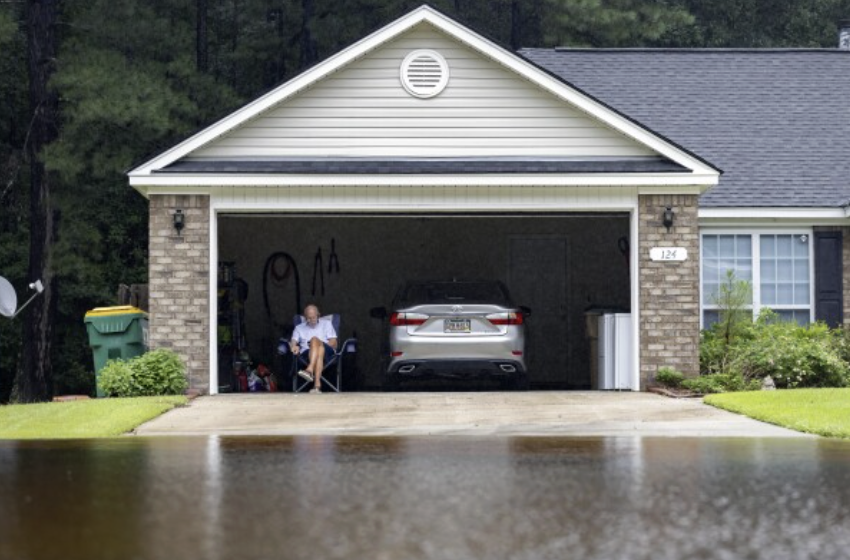
For single-family homeowners, this meant water shooting out of street drains and straight into garages, basements, and side yards. One Noe Valley client had 14 inches in their finished basement — all because the catch basin 20 feet away was 100% clogged.

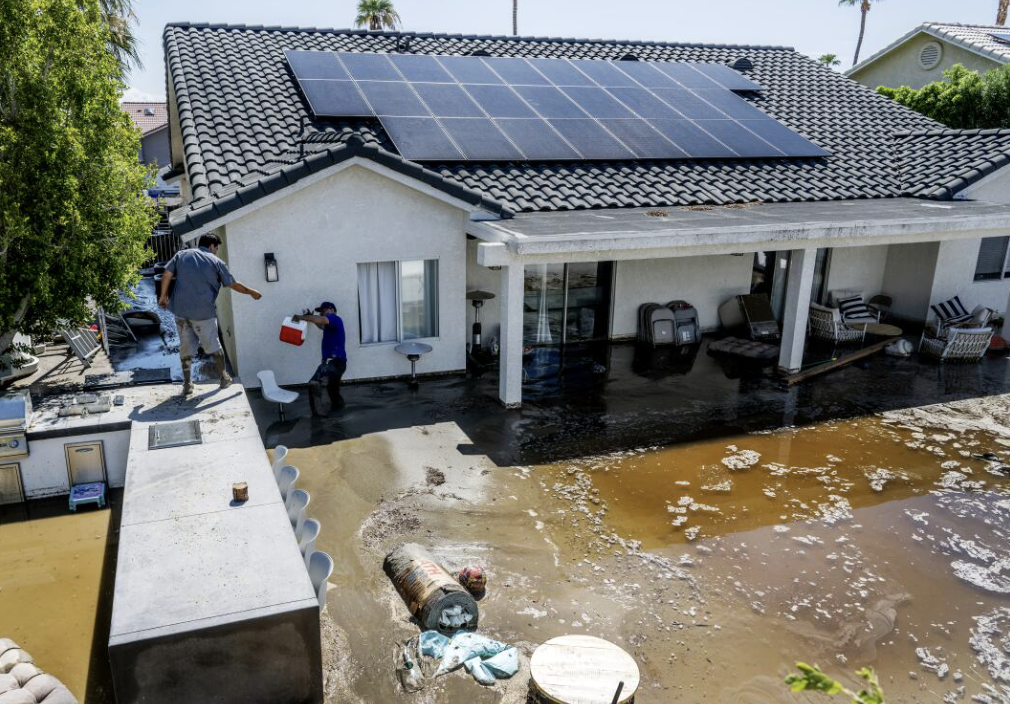
Between November 13–15, 2025, a strong Category 3 atmospheric river dropped 1–5 inches of rain across the Bay Area in under 48 hours. While the news focused on street flooding and mudslides, thousands of single-family homeowners woke up to wet carpets, cracked foundations, ruined furnaces, and sewer backups — damage that standard homeowner insurance almost never covers.If you own a house in San Francisco, Oakland, Daly City, San Rafael, or the East Bay hills, this storm just became the most expensive rain event many of us have ever seen. The good news? Almost all of the damage was preventable with upgrades that cost far less than the repairs now hitting mailboxes.

Seeing damp walls or musty smells in your Bay Area basement after winter storms? At Bayside Pavers, we’ve pumped out countless flooded crawl spaces in Oakland, Walnut Creek, and San Jose where surface runoff from patios pushed water under foundations—triggering mold, wood rot, and structural shifts in earthquake zones.
This DIY guide shows you how to install a paver patio with an integrated NDS EZ-Flow French drain system that intercepts patio runoff before it reaches your basement, routing it safely to daylight or a sump. Act now to stop water intrusion and protect your home’s value.
Even minor patio runoff can migrate 10+ feet underground in clay-heavy Bay Area soil. Over time:
An NDS EZ-Flow French drain, per ICPI and Caltrans guidelines, captures 100% of patio surface water at the perimeter—preventing basement entry before damage begins.
Patios without perimeter drainage act like reservoirs. Rain sheets off the surface, saturates the soil along the foundation, and finds micro-cracks in concrete. In Marin’s foggy hills or San Francisco’s seismic zones, this leads to efflorescence, bowing walls, and $15,000+ repair bills. A French drain under the patio edge stops this cycle.
Focus on intercepting water before it hits the foundation:
Check permits—most patio + drain combos under 500 sq ft in Concord or San Jose are exempt, but basement tie-ins may need review.
Gather Materials and Tools for Basement Defense
Use pre-engineered NDS EZ-Flow bundles for foolproof drainage.
Purpose for Basement Protection
Techo-Bloc Pavers (e.g., Antika)
Durable surface with clean edges
NDS EZ-Flow French Drain (7" bundle)
Pre-wrapped pipe + aggregate for instant flow
3/4" Gravel Base
Load support + secondary infiltration
Geotextile Fabric
Filters fines, prevents clogging
4" Solid PVC Discharge Pipe
Routes water to safe outlet
Polymeric Sand
Seals joints, resists erosion
Pro Tip: Rent a trencher ($120/day)—cuts French drain time in half and ensures straight, deep lines.
Follow these 11 steps, based on NDS and ICPI specs. Total time: 48–60 hours over 2–3 weekends.
Safety Tip: Call 811—basement utilities (gas, sewer) often run near foundations.
Bay Area Essential: This intercepts all patio runoff before it migrates under your slab.
Add 2 inches of gravel over wrapped EZ-Flow, compact lightly. This locks the system in place.
Spread 6 inches of ¾" gravel across entire patio in 2-inch lifts. Compact to 95%—prevents settling that could crack basement walls.
Add 1 inch concrete sand; screed level with 1" pipes. Maintain 2% slope toward the French drain.
Start at house edge:
Spike rigid edging along outer patio edge—prevents lateral shift during Marin winds.
Fill joints, mist lightly—hardens to resist washout and basement-bound erosion.
Critical Warning: On hillsides (>5% slope) in San Francisco or Walnut Creek, shifting soil can crush pipes. Hire ICPI-certified installers to avoid basement flood risk.
Early red flags:
Q: Will a French drain clog in Bay Area redwood mulch?
A: NDS EZ-Flow has built-in geotextile—rake debris monthly. Flush annually to maintain flow. See our paver patio ideas (/paver-patio/).
Q: Can I connect the French drain to my sump pump?
A: Yes—route solid PVC to sump basin. We install battery backups for San Jose power outages.
Q: Do I need permeable pavers with a French drain?
A: Optional—French drain handles 100% surface load. Permeable adds infiltration for drought credits in Marin.
Q: Are permits required for basement drainage in Walnut Creek?
A: Subsurface drains near foundations often need plan review. We submit for you.
Q: How do I winterize the system in foggy Concord?
A: Inspect discharge in fall; ensure pop-up emitter is clear of leaves.

Tired of puddles turning your patio into a slip hazard or seeping toward your foundation after every storm? At Bayside Pavers, we’ve repaired countless East Bay and South Bay patios where poor drainage caused cracked slabs, moldy walls, and soil erosion—issues that start small but threaten your home’s stability in San Jose’s clay soil or Marin’s foggy microclimates.
This DIY guide shows you how to install a paver patio with integrated NDS channel drainage that captures surface runoff at the source, directing it safely away before it can pool or migrate under your foundation. Act now to protect your investment and enjoy a dry, safe outdoor space year-round.
Even a 1/4-inch depression on a patio can hold gallons of water per storm. In the Bay Area, this leads to:
NDS channel drains, per ICPI best practices, intercept 100% of surface flow along low edges—preventing these issues before they start.How Does Water Pooling on Patios Threaten Bay Area Homes?Patios built flush or sloping toward the house act like funnels during winter rains. Water saturates the soil beneath, expands clay (common in Oakland and Walnut Creek), and pushes against foundation walls. Over 2–3 seasons, hairline cracks become structural nightmares. A properly graded patio with channel drains reverses this risk.
Prioritize slope and drain placement:
Gather Materials and Tools for Proactive DrainageUse ICPI-compliant, durable components to ensure 20+ years of dry performance.
Purpose for Water Prevention
Pavers of choice (Belgard, calstone, techo bloc, etc)
Interlocking strength + aesthetic
NDS Pro Series 5" Channel Drain Kit
Captures surface runoff along house
3/4" Gravel Base
Supports load + allows infiltration
4" PVC Perforated Pipe
Connects channel to discharge
Geotextile Fabric
Prevents clogging in foggy climates
Polymeric Sand
Locks pavers, resists washout
Pro Tip: Rent a laser level ($40/day) for perfect slope—critical to avoid future pooling.What Are the Step-by-Step Instructions for a Dry, Safe Paver Patio?Follow these 12 steps, adapted from ICPI and NDS installation specs. Total time: 48–60 hours over 2–3 weekends.
Wrap fabric under and around channel drain—prevents silt buildup in East Bay clay.
Spread 4–6 inches of ¾" gravel in 2-inch lifts. Compact to 95%—loose base = future sinking and water traps.
Add 1 inch of concrete sand; screed level using 1" pipes as rails. Maintain 2% slope.
Start at the channel drain:
Run perforated PVC from channel outlet:
Spike plastic or aluminum edging along perimeter—locks layout and prevents lateral shift.
Fill joints, sweep excess, lightly mist to activate—seals against washout during Marin fog drip.
Run plate compactor in circles. Clean pavers with leaf blower.
Hose-test entire patio:
Critical Warning: On sloped yards (>5%) in San Francisco or Marin, improper compaction causes drain misalignment. Hire ICPI pros to avoid liability.
Watch for:
Q: Will channel drains clog in the Bay Area’s redwood debris?
A: NDS grates have ¼-inch slots—rake leaves weekly. Annual vacuuming prevents 99% of blockages. See paver patio gallery (/paver-patio/).
Q: Can I tie patio drainage into my downspout system?
A: Yes—connect channel outlet to underground PVC. We design full systems for San Jose homes.
Q: Do permeable pavers work better than than channel drains?
A: Combine both: Permeable for infiltration, channel for high-volume edge capture—ideal for Walnut Creek clay.
Q: Are permits needed for patio drainage in Concord?
A: Rarely for surface drains—but subsurface tie-ins may trigger review. We navigate codes.
Q: How do I winterize channel drains in Marin?
A: Flush with hose in fall; cover grates during heavy leaf drop to avoid clogs.

Want to build a permeable paver driveway in San Jose that stops downspout runoff from eroding your home’s foundation before major damage begins?
At Bayside Pavers, we’ve seen too many East Bay and South Bay homes suffer cracked slabs and shifting walls from unchecked gutter overflow—especially in foggy neighborhoods like Willow Glen, Almaden Valley, or Concord.
This DIY guide shows you how to install a permeable paver driveway that infiltrates rainwater and redirects downspouts underground, protecting your foundation in San Jose’s clay-heavy soil and seismic zones. Start now to avoid expensive repairs later.
Standing water from downspouts saturates soil near your foundation, causing expansion, cracking, and settlement—issues that can cost $10,000+ to fix in earthquake-prone Bay Area homes. Permeable pavers, per ICPI guidelines, reduce surface runoff by up to 90%, giving water a safe path into the ground instead of against your slab.
Gutters dump thousands of gallons per storm directly beside your home. In San Jose’s clay soil, this creates hydrostatic pressure that pushes against foundation walls. Over time, cracks form, doors stick, and floors slope. A permeable driveway with NDS catch basins channels that water away or through the pavers—preventing saturation before it starts.
Begin with a drainage-first mindset: Assess downspout locations and grade away from the house. Check San Jose permits—most driveway replacements under 500 sq ft don’t require them, but drainage alterations may. Test soil percolation; slow-draining clay needs a deeper gravel reservoir.
Gather Materials and Tools for Long-Term Protection
Focus on durable, ICPI-compliant materials like Belgard, Calstone or Techo Bloc permeable pavers and NDS drainage components. Prioritize quality to ensure 20+ years of foundation safety.
Purpose for Foundation Protection
Permeable Pavers
Allow infiltration, reduce surface pooling
3/4" Gravel Base
Creates storage reservoir for excess runoff
NDS 9x9 Catch Basin Kit
Captures downspout flow at source
4" PVC Drain Pipe
Routes water safely underground
Geotextile Fabric
Prevents soil migration and clogging
Permeable Jointing Aggregate
Maintains infiltration rate over time
Pro Tip: Use a plate compactor to achieve 95% compaction—loose base leads to settling and foundation stress.
Follow these 10 steps, based on ICPI and Caltrans standards, to complete in 2 weekends. Always wear PPE and call 811 before digging.
Prevent water from ever reaching the foundation:
Lay non-woven geotextile over native soil—keeps fines out of the gravel reservoir, ensuring long-term drainage.
Add 6–8 inches of ¾" gravel in 2-inch lifts, compacting each to 95%. This stores water during heavy rains, giving it time to infiltrate away from your foundation.
Screed 2 inches of ¼" minus chip; lightly compact. This supports pavers while maintaining permeability.
Start at the house: Lay in herringbone pattern with ⅛-inch joints. Cut edges with a wet saw rented locally.
Run PVC from catch basins through the gravel layer to a pop-up emitter or swale—ensuring no water backs up toward the house.
Sweep in clean, angular chip; vibrate to settle. This locks pavers and maintains 30+ inches/hour infiltration.
Install rigid edging; backfill with soil. Grade topsoil away from foundation to complete the drainage plane.
Hose-test downspouts—water should disappear in under 2 minutes. Vacuum joints yearly to preserve infiltration and prevent future foundation risk.
Critical Warning: On slopes >5% (common in Evergreen or Marin), shifting pavers can undermine drainage. Hire pros to avoid liability.
Q: How soon can poor drainage damage my San Jose foundation?
A: Within 1–3 winters in clay soil; hydrostatic pressure builds fast. Start your permeable driveway now—see our driveway gallery (/gallery/).
Q: Will permeable pavers work in earthquake-prone East Bay areas?
A: Yes—flexible joints absorb movement better than rigid concrete. Techo-Bloc meets ICPI seismic standards.
Q: How do I maintain drainage to protect my foundation long-term?
A: Clean NDS basins quarterly; vacuum paver joints annually. Prevents clogs in foggy Concord or Marin.
Q: Do I need permits to add drainage in Walnut Creek?
A: Minor DIY drainage often doesn’t—but confirm with Contra Costa County. We handle permits for pro jobs.
Q: Can I combine permeable pavers with rain gardens?
A: Absolutely—route overflow to bioswales for extra foundation buffering and drought-resistant landscaping.
Pro Tip: For slopes >5%, complex soils, or homes with existing cracks, hire Bayside Pavers to prevent shifting and ensure full drainage integrity

If you own a sloped property in San Jose, a properly installed retaining wall can transform your yard into a functional, beautiful space. In the Bay Area’s climate—dry summers, foggy mornings, and occasional winter rains—retaining walls manage soil erosion, enhance drainage, and add aesthetic appeal. On San Jose’s hilly terrains, like those in Almaden Valley or Evergreen, retaining walls are crucial for stabilizing slopes, especially in our seismically active region where ground movement is a concern.
At Bayside Pavers, we’ve been enhancing Bay Area properties since 2009, serving neighborhoods like Willow Glen, Los Gatos, and Downtown San Jose. As ICPI-certified professionals, we adhere to Interlocking Concrete Pavement Institute standards, ensuring durable retaining walls backed by our 25-year warranties. With over 15 years of experience, we understand San Jose’s clay-heavy soils, local zoning regulations, and drainage requirements. Hiring a general contractor for your retaining wall ensures compliance with ICPI standards and avoids costly mistakes.
This guide walks you through the process of correctly installing a retaining wall on a sloped property in San Jose, tailored to local conditions. Ready to stabilize your yard?
Call Bayside Pavers for a free design consultation.
The ICPI provides strict guidelines for segmental retaining walls (SRWs) to ensure structural integrity and longevity. According to the National Association of Landscape Professionals, well-built retaining walls can last 40-60 years, ideal for San Jose’s variable soils and seismic activity. ICPI standards, such as Tech Spec 18, require certified materials (e.g., concrete blocks meeting ASTM C1372) and precise engineering to handle lateral earth pressure. For San Jose, this means designing walls to manage heavy clay soils, occasional heavy rains, and earthquake resilience.
Common materials include concrete blocks ($10-20 per square foot), natural stone ($15-30 per square foot), and modular systems ($12-25 per square foot). Permeable options support San Jose’s eco-friendly drainage goals.
Installing a retaining wall on a sloped property is complex, requiring expertise in engineering, local permits, and ICPI standards. A general contractor coordinates permits, ensures compliance with San Jose’s Building Division, and manages the project efficiently. At Bayside Pavers, our contractors handle everything from soil analysis to final inspections, saving you time and avoiding errors like improper drainage or wall failure.
Following ICPI guidelines, installing a retaining wall in San Jose involves precise steps. Here’s how a general contractor ensures a compliant, durable wall.
The contractor assesses the slope, soil type (e.g., San Jose’s expansive clay), and drainage needs. They mark the wall’s footprint, considering a 1-2% slope for water runoff. In San Jose, permits are often required for walls over 4 feet, so the contractor coordinates with the Building Division ($100-500 fees). They also check utilities via DigAlert.
Benefits: Ensures compliance with zoning and safety codes.
Cost Estimate: $1,000-2,000 for design and permits.
Tips: Request a 3D design to visualize the wall’s look.
Excavate a trench at least 6 inches deep and 24 inches wide for walls up to 4 feet. For San Jose’s clay soils, remove organic material and compact to 95% Proctor density. A gravel foundation (4-6 inches) supports stability.
Benefits: Prevents settling in seismic areas.Cost Estimate: $3-6 per square foot.
Tips: Test soil compaction; add drainage pipes for wet areas.
Lay the first row of concrete blocks or stones, ensuring they’re level. Use a string line for alignment. Backfill with gravel (3/4-inch aggregate) behind the base course.
Benefits: Creates a stable foundation for the wall.Cost Estimate: $5-10 per square foot for materials.
Tips: Use laser levels for precision; check local codes for reinforcement.
Stack additional courses, staggering joints for strength. Install geogrid reinforcement every 2-3 courses for walls over 3 feet, per ICPI recommendations. Backfill with gravel and compact in 6-inch lifts.Benefits: Resists lateral pressure from San Jose’s heavy soils.
Cost Estimate: $8-15 per square foot for labor and materials.
Tips: Ensure geogrid extends 3-6 feet into the slope.
Install perforated drain pipes behind the wall, wrapped in geotextile fabric, to manage water flow. Add gravel around pipes and ensure outlets comply with San Jose’s drainage rules.
Benefits: Prevents water buildup, reducing wall stress.Cost Estimate: $2-5 per linear foot.
Tips: Slope pipes downward to direct water away.
Secure capstones with adhesive for a polished look. Compact backfill to 95% density and grade the topsoil for landscaping.Benefits: Enhances aesthetics and protects the wall.Cost Estimate: $3-7 per linear foot for capstones.Tips: Seal capstones for UV protection in San Jose’s sun.
Sloped properties require extra attention to soil stability and drainage. San Jose’s clay soils expand when wet, increasing pressure on walls. ICPI standards recommend geogrid for slopes steeper than 3:1 (horizontal:vertical). Permits are critical for walls over 4 feet or near property lines, especially in neighborhoods like Evergreen. A general contractor ensures seismic reinforcements, like deeper footings, to handle earthquakes.
Expect $70-$100 per square foot.
Average retaining wall projects cost $15,000-20,000, depending on height and length.
Correctly installing a retaining wall in San Jose to ICPI standards transforms sloped properties into safe, usable spaces tailored to our Bay Area climate. Each step, from design to drainage, ensures durability. At Bayside Pavers, our ICPI expertise and local experience—serving San Jose since 2009—deliver results with 25-year warranties. We’ve stabilized countless yards, like a terraced wall in Los Gatos that tackled erosion perfectly.
DIY is risky with retaining walls; a general contractor avoids structural failures. Call Bayside Pavers at +1 (866) 225-3512 or visit https://www.baysidepavers.com for a free quote. Share your project ideas below or ask about our services today!
ICPI standards outline materials, reinforcement, and drainage for durable segmental retaining walls, tailored for slope and load.
Yes, for walls over 4 feet or near property lines. Check with San Jose’s Building Division.
$70-100 per square foot.
Concrete blocks are durable and cost-effective for clay soils and rain.
Yes, with proper geogrid and footings per ICPI standards.
Most projects take 5-10 days, depending on size.
Contractors ensure ICPI compliance, permits, and warranties like our 25-year guarantee.
Tim McMullen, Designer at Bayside Pavers, has a background in luxury residential development and sales. His passion lies in creating outdoor spaces that draw people outside to simply enjoy. With expertise in yard design and hardscaping, Tim has helped transform numerous Bay Area properties, including in San Jose. Learn more at https://www.baysidepavers.com/tim.
Check ICPI standards at https://www.icpi.org or get inspiration from https://www.houzz.com. Explore our retaining wall services (/services/retaining-walls), patio services (/services/patio-installation), or blog (/blog).
.png)
We are a small, dynamic team of the best designers, project managers & construction crews in the Bay Area. We pride ourselves on efficiency, beautiful design & streamlined construction and exceptional communication.