A typical 1,000-square-foot natural lawn in California consumes approximately 44,000 gallons of water every year. In the Bay Area, where utility rates continue to climb and AB 1572 now restricts potable water use, homeowners are increasingly scrutinizing the cost of artificial turf installation bay area projects require. You’ve likely felt the frustration of high monthly bills and the constant struggle of managing poor drainage in our region’s heavy clay soil. It is time for a more predictable, professional solution.
This guide provides a transparent breakdown of synthetic grass pricing, ROI, and the installation factors specific to the San Francisco Bay Area in 2026. We’ll move past vague estimates to look at the real-world variables that influence your investment, from high-performance materials to professional site preparation. You’ll learn how synthetic grass delivers a clear ROI within five to ten years. You’ll also see why an all-inclusive pricing model is the only way to avoid the typical headaches of unreliable contractor quotes. We’ll cover everything from material durability to the engineering required for a lawn that stays green and functional for decades.
Key Takeaways
- Evaluate the long-term ROI of your project by comparing monthly utility savings against the initial cost of artificial turf installation bay area homeowners typically face.
- Identify how regional soil profiles, specifically the clay found in Concord and Walnut Creek, dictate necessary drainage and sub-base requirements.
- Learn to spot the red flags in low-ball contractor quotes that often lead to visible seams and expensive repairs within the first three years.
- Discover how a dedicated project manager and a 25-year warranty eliminate the typical anxieties of large-scale outdoor renovations.
Understanding the True Cost of Artificial Turf in the Bay Area (2026)
Determining the cost of artificial turf installation bay area residents face requires looking beyond a simple price per square foot. Regional market standards are segmented by material density, blade height, and the complexity of the sub-base engineering. While a low-cost quote might seem attractive, selecting a budget installer often leads to visible seams, poor drainage, and base failure within just three years. These early repairs quickly erase any initial savings. We provide a 25-year warranty to protect your investment, ensuring the system remains stable for decades. For a foundational understanding of the technology involved, you can review this comprehensive overview of artificial turf. Total cost of ownership for a synthetic lawn is the sum of the initial installation investment and minimal maintenance costs over the product’s lifespan, minus the cumulative savings from eliminated water bills and landscaping services.
The Components of Your Turf Quote
Material selection dictates a large portion of your investment. Options range from standard economy grades to premium fibers featuring “cool-touch” technology, which is essential for the sunny microclimates of the East Bay. Labor and logistics also play a significant role. Bay Area labor rates reflect the high cost of living and the specialized skill required for precision cutting and seaming. Finally, disposal and hauling fees are a critical factor. Removing existing sod and several inches of heavy Northern California soil requires specialized equipment and significant dumping fees. Our all-inclusive pricing model covers these logistics, so you don’t face surprise charges during the project.
Square Footage vs. Project Complexity
A simple rectangular lawn is the most cost-effective to install. Curved borders and intricate landscaping features increase material waste because turf comes in fixed-width rolls. Project accessibility also influences the final rate. Narrow side-yards or steep inclines, common in cities like San Francisco or the Berkeley Hills, often require manual labor instead of machinery for hauling materials. This access fee accounts for the extra time and physical effort needed to prepare the site properly. Most professional firms maintain minimum project sizes to ensure the mobilization of a full crew and specialized equipment remains efficient for the homeowner. Understanding these variables helps you move from a vague estimate to a fixed-price commitment.
Local Factors That Drive Bay Area Installation Prices
The Bay Area presents geological challenges that directly affect the cost of artificial turf installation bay area homeowners budget for. In cities like Concord and Walnut Creek, expansive clay soil is the primary hurdle. This soil type swells when wet and shrinks when dry, which can cause surface shifts that ruin a lawn’s appearance. To mitigate this, a professional installation requires more extensive excavation and a robust foundation than standard dirt yards. Homeowners should also consider the environmental and economic drawbacks of artificial turf when planning their conversion, ensuring the long-term benefits of water savings outweigh the initial site preparation costs.
Micro-climates also dictate material choice. North Bay properties often require high-density, heat-resistant turf to withstand direct summer sun without softening. Coastal areas focus instead on superior drainage for heavy fog and winter rains. Additionally, local municipal regulations and water district rules under AB 1572 influence how projects are permitted and executed. Managing these local codes is a standard part of our project management service, ensuring your project remains compliant with regional water conservation mandates.
The Importance of Sub-Base Engineering
We utilize a minimum of 3 to 4 inches of compacted road base to create a stable, permeable foundation. This is the industry standard for Northern California’s volatile soil. In suburban neighborhoods, we also integrate heavy-duty weed barriers and gopher wire to prevent biological intrusion from below. A properly engineered and compacted sub-base ensures the surface remains level and prevents the unsightly “turf wrinkling” often seen in DIY or budget-rate projects. If you want a quote that accounts for these variables, you can start with a project review at baysidepavers.com.
Access and Site Preparation
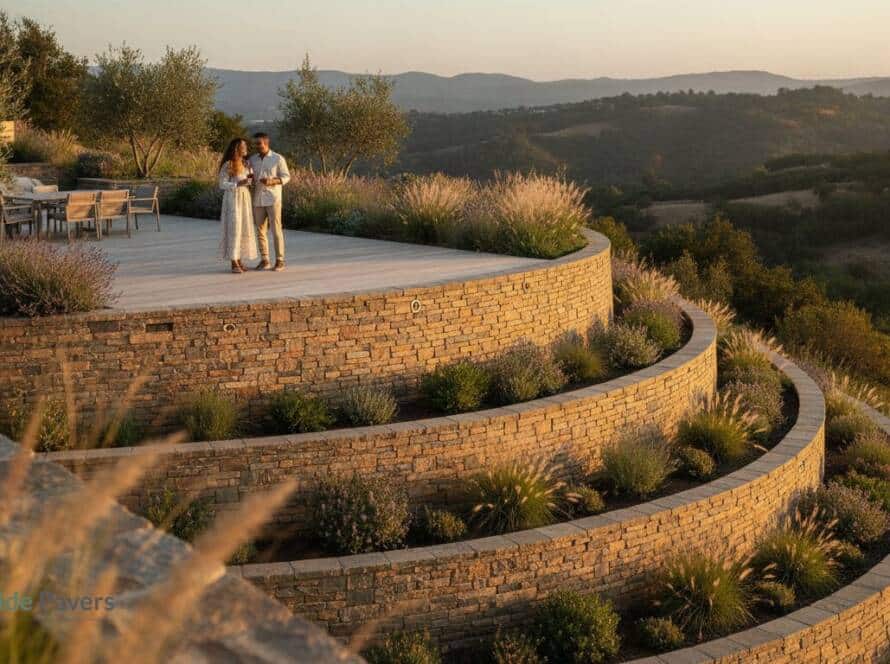
Topography plays a major role in labor costs, particularly in the Lafayette and Orinda hillsides. Steep slopes often require specialized retaining walls or terracing to provide a flat, functional lawn area. You can learn more about how we integrate these structures in our Hardscape Design and Installation guide. Site preparation also involves retrofitting your existing irrigation system. We cap off old sprinkler heads and re-route lines to ensure your new landscape doesn’t harbor stagnant water or hidden leaks. These steps are essential for a professional finish that lasts for years.
The ROI Analysis: Turf vs. Natural Grass in California
Calculating the true cost of artificial turf installation bay area projects requires a shift from viewing it as an expense to seeing it as a capital improvement. A standard 1,000-square-foot natural lawn in San Jose or surrounding cities consumes approximately 44,000 gallons of water annually. When you factor in the tiered pricing structures used by local water districts, these monthly utility costs become a significant burden. Beyond the water bill, natural grass carries relentless “hidden” expenses. Aeration, seasonal fertilization, and reseeding are mandatory to keep a lawn viable in Northern California’s climate. Most homeowners spend between $2,000 and $4,000 every year just to maintain a natural lawn. Synthetic grass eliminates these recurring line items immediately.
Time is your most valuable asset. Professional turf installation returns roughly 100 to 150 hours of labor back to the homeowner each year by eliminating mowing and edging. This transition also boosts curb appeal and property value. In the competitive Bay Area real estate market, a pristine, low-maintenance landscape is a major selling point for buyers who value efficiency and modern aesthetics. The initial investment pays for itself through reclaimed time and the total removal of landscaping service fees.
Water Savings and Rebates
Drought-proofing your landscape is a strategic move to protect your home from future water restrictions. While some California programs offer “Cash for Grass” incentives, current research indicates that artificial turf is generally not eligible for these specific rebates, as they typically prioritize live, drought-tolerant plants. However, the ROI remains aggressive due to tiered water rates. As you move into higher usage brackets, the cost per gallon spikes. By removing the largest source of water consumption on your property, you stay within the lowest, most affordable utility tiers. This creates a permanent hedge against rising municipal water rates.
Maintenance Cost Comparison
Maintaining synthetic grass involves occasional rinsing and debris removal rather than the weekly cycle of a professional landscaping crew. The long-term math changes significantly when you consider the lifespan of the installation. We provide a 25-year warranty, which ensures your lawn remains an asset for decades without the need for a total overhaul. When you compare twenty-five years of landscaping bills against a one-time project fee, the synthetic option is the clear financial winner. For more details on the technical execution of these projects, you can explore our guide on Synthetic Turf Installation Bay Area. A disciplined approach to your outdoor investment ensures peace of mind and consistent financial returns.

What Low-Ball Quotes Hide: The Risk of “Budget” Turf
Low-ball quotes often indicate a compromise in either material quality or installation precision. In the Northern California market, the “Solar Cowboy” effect describes fly-by-night installers who offer prices significantly below the regional average. These contractors typically prioritize high-volume turnover rather than the engineering required for a long-term build. When you analyze the cost of artificial turf installation bay area homeowners often regret choosing the cheapest option when seams begin to pull apart or the surface develops visible ripples within the first year. A master installer ensures that seams are virtually invisible by using precision cutting and high-tensile bonding agents. Novices, by contrast, often leave “mohawk” lines where the turf grain doesn’t align, which is a permanent aesthetic failure.
Infill quality is another area where budget quotes cut corners. Many low-cost providers use basic silica sand, which is prone to trapping moisture and harbor pet odors. Premium antimicrobial infills are essential for maintaining a clean, well-draining surface in our climate. Additionally, you must be wary of “labor-only” warranties that expire after 12 months. These limited protections leave you vulnerable to the costs of base failure or drainage collapse. We provide a 25-year warranty to eliminate this risk, ensuring your investment remains protected long after the crew leaves the site.
Material Quality and UV Protection
Budget-grade polyethylene often lacks sufficient UV stabilizers, causing the green pigment to degrade into an unnatural blue or silver tint after just two seasons of exposure. Premium fibers are engineered to maintain their color and structural integrity even in the intense sun of the North Bay. Health safety is also a concern; high-quality materials are lead-free and non-toxic, whereas recycled budget options may not meet the same rigorous standards. High-performance backing must feature at least 30 drainage holes per square inch to manage heavy Northern California rainfall effectively. This ensures that water moves through the system rather than pooling on the surface.
The Project Management Difference
A dedicated project manager is a critical component of a successful build. This role prevents timeline delays and ensures that every stage of our three-step process is executed with precision. Without a manager, communication often breaks down, and mistakes are only discovered after the turf is pinned and the glue has set. Fixing these errors later is expensive and often leaves the lawn looking patched. If you are planning a larger renovation, you can see how we apply this same level of management to other projects in our guide to Professional Paver Installation. For a fixed-price quote that includes full project oversight and no hidden surprises, contact the team at baysidepavers.com today.
The Bayside Pavers Advantage: Fixed Pricing and 25-Year Security
The Bayside Pavers system is built on accountability. We’ve eliminated the typical anxieties of outdoor renovations by using a controlled, repeatable process for every project. When evaluating the cost of artificial turf installation bay area residents often struggle with shifting quotes and hidden fees. We solve this through an all-inclusive pricing model. Your quote covers every logistical detail, from soil excavation and disposal to the final infill application. There are no surprises. This transparency ensures you know exactly what your investment covers before the first shovel hits the ground.
Our three-step process ensures total clarity. It begins with a free design consultation, moves into a disciplined construction phase, and concludes with a final walkthrough to verify every seam and edge meets our standards. Most projects are completed within three weeks. This efficiency doesn’t sacrifice quality; it’s the result of a dedicated project manager overseeing every build. The 25-year warranty is our primary differentiator. It protects your investment for a quarter-century, fundamentally changing the ROI math compared to budget installers who offer only short-term coverage. You aren’t just buying a lawn; you’re securing a long-term asset.
Our Approach to Bay Area Landscapes
We don’t just roll out grass. Our team creates custom designs that seamlessly blend synthetic turf with other high-end features. We specialize in integrated builds that include pavers and outdoor kitchens, ensuring a cohesive aesthetic across your property. Our local expertise is vital for navigating the specific drainage challenges and clay soil profiles discussed earlier in this guide. This specialized knowledge is also why we are a preferred partner for complex Pool Deck Installation Bay Area projects. We treat every yard as an engineering project that requires precision and stability.
Getting Started with Your Custom Quote
Your journey begins with a free design consultation. During this meeting, we assess your site’s topography, soil conditions, and accessibility. We don’t provide “ballpark” estimates that change later. Instead, we calculate a fixed-price proposal based on the actual requirements of your specific landscape. This document outlines every cost of artificial turf installation bay area homeowners need to know before committing. You receive a clear, binding price that honors your financial commitment and our workmanship standards. It is a no-nonsense approach designed to respect your time and budget.
Schedule your free Bay Area turf consultation today to lock in your project timeline and secure a landscape that stays green without the maintenance.
Secure Your Long-Term Outdoor Investment
Transitioning to synthetic grass is a strategic financial decision that eliminates the volatility of California water rates and the relentless cycle of landscaping fees. By accounting for the unique drainage requirements and soil profiles of Northern California, you ensure that the cost of artificial turf installation bay area homeowners pay translates into a permanent asset. A professional build removes the risks of seam failure and UV degradation that often plague budget-rate projects. You’ve seen how the long-term ROI is driven by durability and precision engineering rather than just the initial price per square foot.
Our team provides peace of mind through a dedicated project manager and a 25-year installation warranty. We complete most projects in three weeks or less, delivering a pristine result without the typical construction delays. You deserve a fixed-price model that respects your budget and your time while protecting your home’s curb appeal for decades. It’s time to reclaim your weekends and enjoy a lawn that stays green regardless of the season. Request Your Free All-Inclusive Turf Quote and start your landscape transformation today.
Frequently Asked Questions
How much does artificial turf installation cost per square foot in the Bay Area?
Industry averages for professional installation in the region generally range from $9 to $20 per square foot. This price typically includes site preparation, excavation, high-quality materials, and professional labor. Factors such as site accessibility in cities like San Francisco or the specific drainage needs of the East Bay will influence the final rate. Every project requires a custom assessment to provide a fixed-price quote that accounts for these unique regional variables.
Does artificial grass increase home value in Northern California?
Professional turf installation significantly boosts curb appeal and property value by providing a year-round green landscape. Buyers in competitive markets like Walnut Creek and Lafayette prioritize low-maintenance features that reduce monthly utility burdens. Since natural lawns in the state often require 44,000 gallons of water annually, a synthetic lawn represents a modernized, drought-proof asset. It positions your home as a sustainable, turn-key property for potential future buyers who value efficiency.
How long does it take to see a return on investment (ROI) for turf?
Most homeowners realize a full return on the cost of artificial turf installation bay area projects within five to ten years. This timeline is driven by the immediate elimination of professional landscaping fees and the reduction of tiered water utility costs. When you calculate the cumulative savings from fertilizers, aeration, and thousands of gallons of water, the initial investment pays for itself. It effectively hedges your household budget against rising municipal rates.
Is there a difference in cost between pet-friendly turf and standard turf?
Pet-friendly turf systems typically involve a higher initial investment due to specialized components designed for hygiene and durability. These systems feature a high-flow drainage backing and antimicrobial infill to neutralize odors and prevent bacteria buildup. While standard turf is suitable for decorative areas, pet-specific installations require these reinforced materials to withstand high traffic and liquid waste. Investing in pet-optimized fibers ensures a cleaner environment and prevents the need for early repairs or replacements.
Do I need a permit for synthetic grass installation in the Bay Area?
Most residential turf projects in the Bay Area don’t require a formal building permit, though specific municipal codes and HOA regulations vary by city. California Civil Code Section 4735 prevents HOAs from banning artificial turf, but they may still have guidelines regarding aesthetics and drainage. It is essential to check with your local planning department in cities like Santa Rosa or Concord. Our project managers handle these regulatory checks as part of our all-inclusive service.
How does the 25-year warranty at Bayside Pavers compare to other installers?
Our 25-year warranty provides a level of security that far exceeds the industry standard 12-month labor guarantees. Most installers only protect against material defects for a short period, leaving homeowners responsible for base failure or seam separation later. We take full ownership of the project lifecycle, ensuring the sub-base and installation remain stable for a quarter-century. This long-term protection is a critical factor when calculating the total value and security of your outdoor investment.
Can I install artificial turf over my existing Bay Area clay soil?
You can’t install turf directly over existing clay soil without extensive site preparation and sub-base engineering. Clay soil in areas like Pleasant Hill and Martinez expands and contracts with moisture, which would cause the turf to wrinkle or shift. We excavate several inches of native soil and replace it with 3 to 4 inches of compacted road base. This creates a stable, permeable foundation that prevents surface failure and ensures proper drainage during winter.
What is the most expensive part of a turf installation project?
The most labor-intensive and expensive portion of a professional installation is the site preparation and sub-base engineering. This phase includes the removal of old sod, excavation of heavy soil, and the hauling of several tons of base material. Proper compaction and grading are essential for the lawn’s longevity and drainage performance. While high-quality fibers are a significant material cost, the invisible work beneath the surface determines whether the project succeeds or fails over time.
Article by
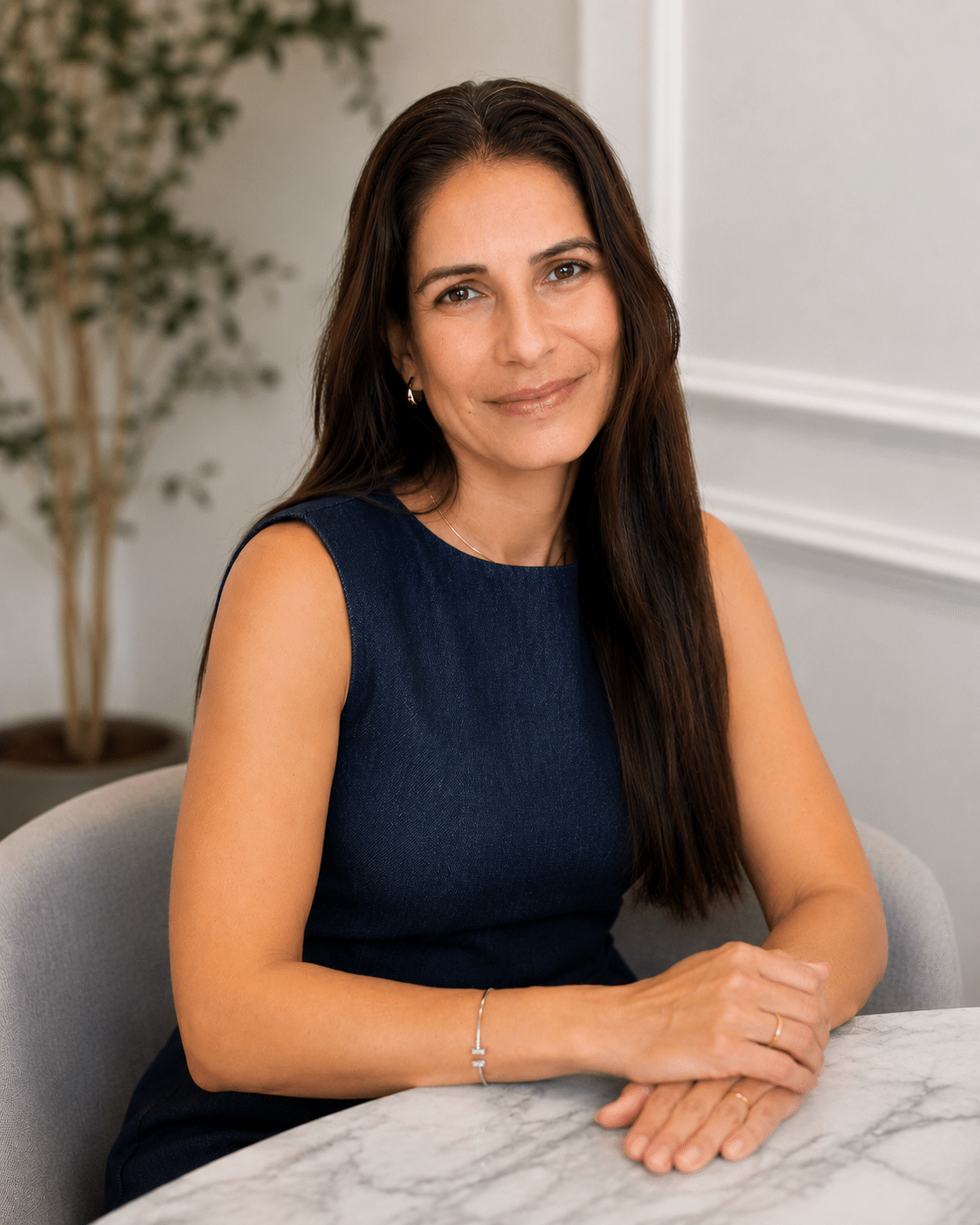
Adriana Esposito
Adriana Esposito is the owner of Bayside Pavers, a woman-owned outdoor living company serving the San Francisco Bay Area. With over 16 years of experience, she specializes in designing and building custom paver patios, driveways, outdoor kitchens, retaining walls, artificial turf, and other outdoor living spaces. Through this blog, she shares expert tips, design inspiration, and practical advice to help homeowners create beautiful, lasting outdoor spaces.