Modern hardscaping in the Bay Area is actually an engineering project disguised as an aesthetic upgrade. You want a beautiful space for hosting friends, yet the fear of shifting clay soil or cracking pavers often stalls the vision. It’s frustrating to choose materials when you don’t know how they’ll hold up against local conditions or what the final bill will look like. We understand that your outdoor renovation is a significant investment that requires both precision and transparency to ensure peace of mind.
This guide explores 15 creative backyard hardscape ideas designed specifically for the Northern California lifestyle. You’ll discover how to navigate the 2026 water budget regulations while increasing your home’s value by up to 15 percent. We’ll preview everything from high-durability porcelain installations to permeable paver systems that solve drainage issues once and for all. By the end, you’ll have a clear, actionable plan for a low-maintenance retreat that looks as good as it performs. We’re moving past the guesswork to focus on stable, high-end results that protect your investment for the long term.
Key Takeaways
- Understand how “hydro-hardscaping” and permeable materials comply with 2026 water regulations while creating a sustainable outdoor “great room.”
- Explore 15 creative backyard hardscape ideas that maximize ROI by extending your home’s living space through high-end outdoor kitchens and multi-functional patios.
- Compare the durability and heat retention of pavers, porcelain, and natural stone to select the right material for the Northern California sun.
- Learn why a professional-grade sub-base is the only effective solution for preventing cracks and shifting in the expansive clay soil common across the Bay Area.
- Discover a structured 3-step installation process that eliminates construction anxiety and targets a predictable 3-week project completion timeline.
What is Backyard Hardscaping and Why is it Trending in 2026?
Hardscaping represents the permanent, non-living structures within your landscape. To truly understand What is Hardscaping, you should look at the materials that provide the framework for your yard: stone, brick, concrete, and wood. These elements act as the skeleton of your outdoor environment. While plants (softscape) provide color and texture, hardscape provides the stability and utility required for a modern home. In 2026, we’re seeing a massive shift toward these durable features as homeowners look for smarter backyard hardscape ideas that balance luxury with environmental responsibility.
This trend is largely driven by necessity. California’s strict water regulations, specifically the Model Water Efficient Landscape Ordinance (MWELO), have made traditional lawns a liability. Hardscaping has become the primary tool for creating “water-wise” yards that don’t sacrifice style. By replacing thirsty grass with high-end pavers or porcelain, you’re building an “Outdoor Room” that exists as a permanent home extension. This isn’t just a simple patio; it’s a sophisticated space that increases your property value and reduces your maintenance workload for years to come.
The Functional Benefits of a Hardscaped Yard
Hardscape vs. Softscape: Finding the Perfect Ratio
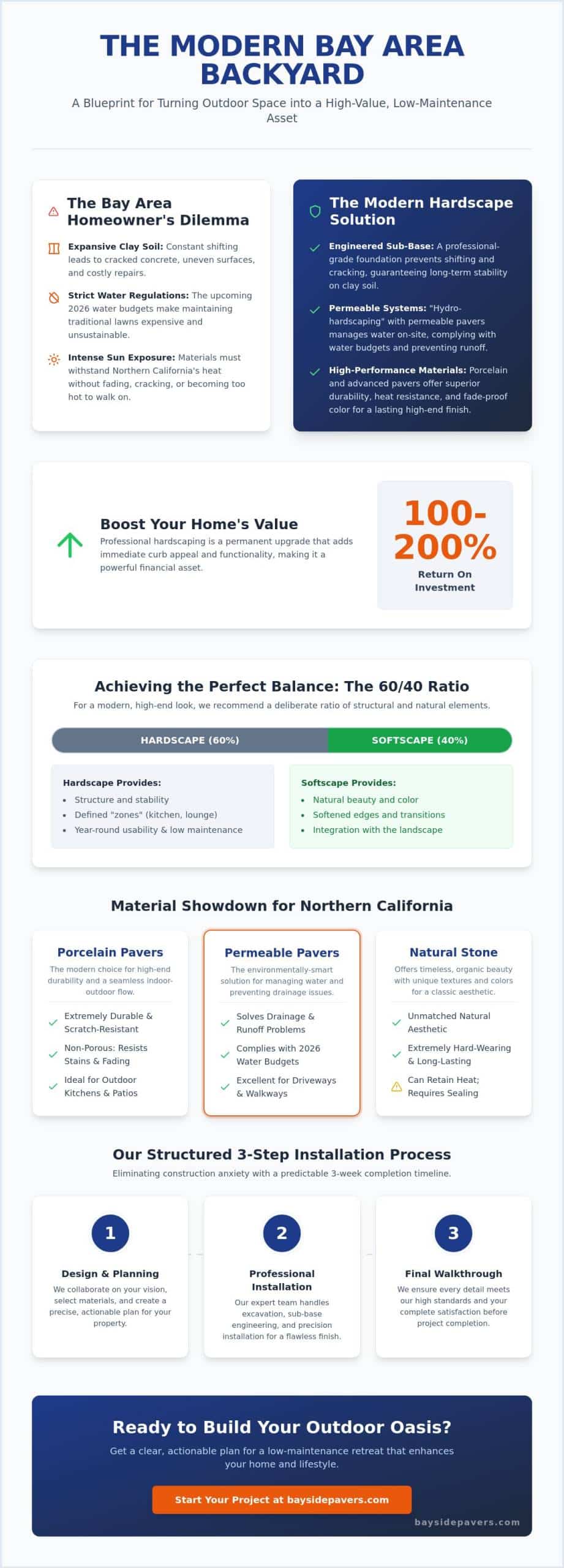
Achieving a high-end look requires a deliberate balance between hard and soft elements. We’ve found that a 60/40 hardscape-to-softscape ratio typically offers the best visual results for modern homes. Hardscape elements define specific “zones,” such as a dedicated cooking area or a lounge space near a fire pit. To prevent the space from feeling too industrial, we use native California plants to soften the edges of the stone. This combination ensures your backyard hardscape ideas feel integrated into the natural landscape rather than forced upon it. It creates a structured, clean aesthetic that still feels alive and welcoming.
Top 5 Backyard Hardscape Ideas for Entertaining and ROI
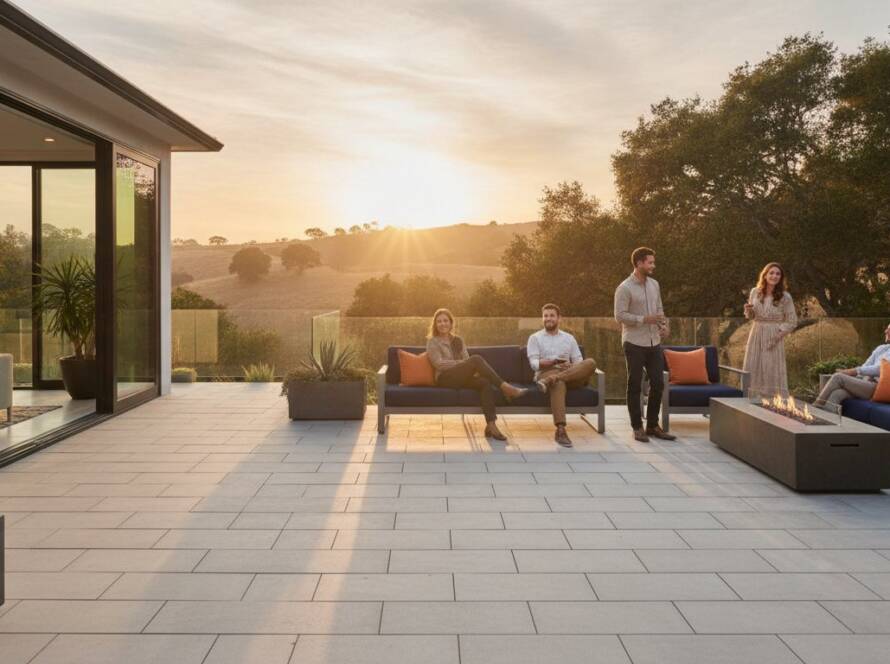
Investing in your outdoor space is a strategic financial move. In California, professional hardscaping currently yields a return on investment between 100 and 200 percent. This high recovery rate exists because hardscape features are visible, permanent upgrades that add immediate curb appeal. When you’re evaluating backyard hardscape ideas, focus on elements that bridge the gap between utility and luxury. A multi-functional paver patio serves as the “Great Room” of the outdoors, providing a stable foundation for dining and lounging that traditional decks can’t match.
Beyond the patio, you must consider the structural integrity of your lot. Many East Bay properties in areas like Walnut Creek or Lafayette sit on sloped terrain that limits usable space. Tiered retaining walls solve this by turning steep inclines into flat, garden terraces. For homeowners in these districts, remember that walls over 4 feet often require specific permits; it’s a detail we manage to ensure full compliance. Additionally, permeable driveway and walkway systems are becoming a standard requirement for managing stormwater runoff. These systems prevent pooling and protect your foundation from water damage during heavy rains. If you want to see how these structures fit your specific lot, reviewing a professional pavers installation plan can provide the necessary clarity.
The Ultimate Outdoor Kitchen and Bar Setup
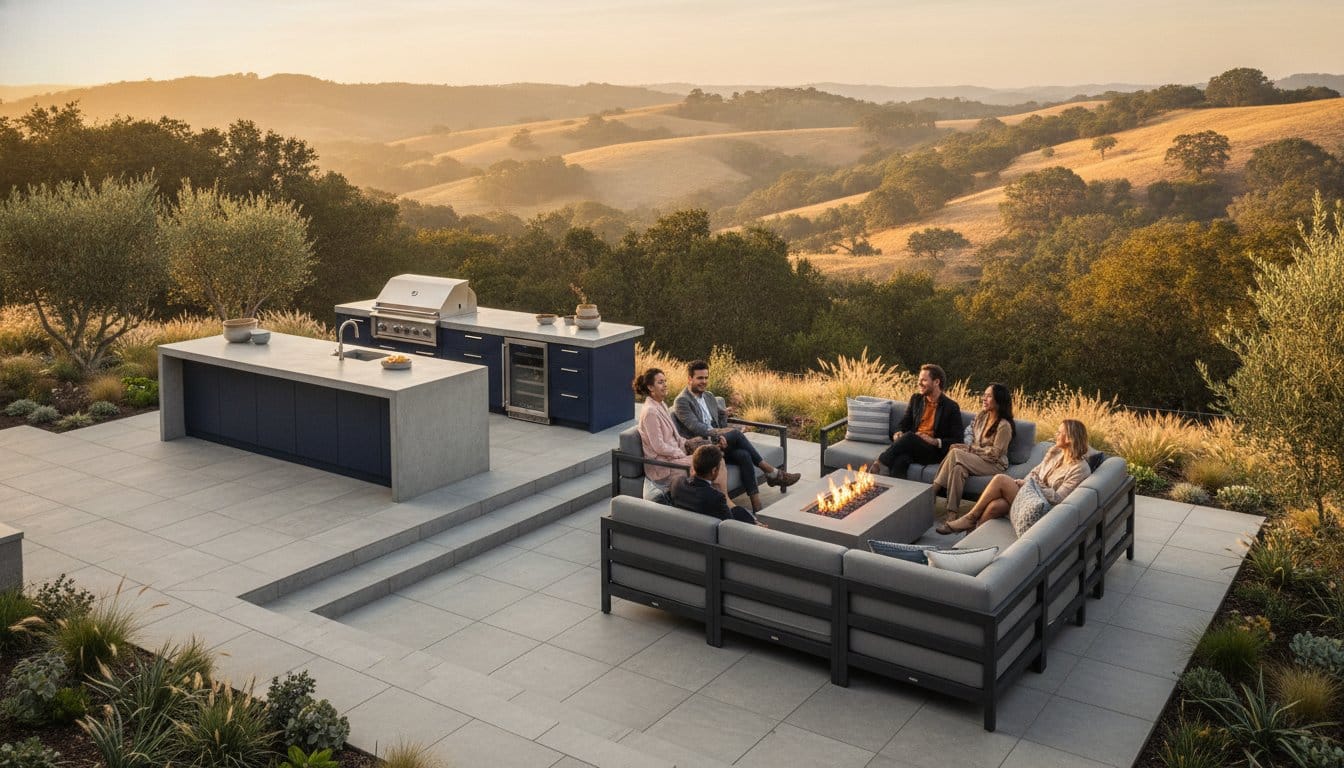
Built-in grills and pizza ovens have become the most requested features for 2026 renovations. They transform a simple backyard into a full-service culinary destination. We’ve seen a significant shift toward porcelain countertops for these areas. Porcelain is non-porous, meaning it won’t stain from food prep, and it handles the direct California sun without fading or cracking. When planning this setup, we prioritize the logistics of gas, electrical, and plumbing lines early in the design phase. This proactive approach prevents the hidden costs and delays that often plague poorly planned projects.
Fire Features: Fire Pits vs. Outdoor Fireplaces
Fire features extend the usability of your yard into the cool Northern California evenings. You’ll need to choose between the convenience of gas-powered pits and the traditional ambiance of wood-burning units. Gas is often the preferred choice for modern backyard hardscape ideas because it’s smoke-free and complies with strict local air quality regulations. We often design these features with integrated stone seating walls to create “conversation circles.” These permanent benches maximize your seating capacity without the clutter of extra furniture. It’s a clean, disciplined design choice that ensures your space is always ready for guests.
Choosing the Right Materials: Pavers, Porcelain, and Stone
Selecting the right material for your backyard hardscape ideas is an engineering decision that impacts your property’s longevity as much as its aesthetic. In the Bay Area, we deal with expansive clay soil that shifts with moisture changes. Rigid surfaces like poured concrete often fail here, developing deep cracks that are impossible to repair seamlessly. We prioritize flexible systems, such as interlocking pavers, which move with the ground to maintain structural integrity. This approach eliminates the “cracked concrete” anxiety that many homeowners face during seasonal shifts.
Heat retention and slip resistance are equally critical factors for Northern California outdoor living. While natural stone like travertine stays remarkably cool under the direct sun, darker slate can become uncomfortably hot. We evaluate the “Solar Reflectance Index” (SRI) of every material we recommend. For pool decks and high-traffic walkways, we select materials with a high “Coefficient of Friction” to ensure safety when surfaces are wet. You don’t just want a space that looks high-end; you need a surface that performs safely and stays comfortable during a July afternoon in Walnut Creek or Pleasanton.
The Rise of Porcelain Pavers in Northern California
Porcelain is quickly becoming the gold standard for modern, minimalist designs. Unlike traditional ceramic, outdoor-grade porcelain is fired at extremely high temperatures, making it incredibly dense and nearly non-porous. This density provides a massive advantage for coastal homes because it resists salt, moss, and stubborn stains from food or wine. It’s a low-maintenance solution that doesn’t require regular sealing. However, porcelain installation requires a specialized contractor. The material is precision-cut and requires a specific sub-base and bonding process to prevent the tiles from lifting or cracking under pressure.
Natural Stone vs. Manufactured Concrete Pavers
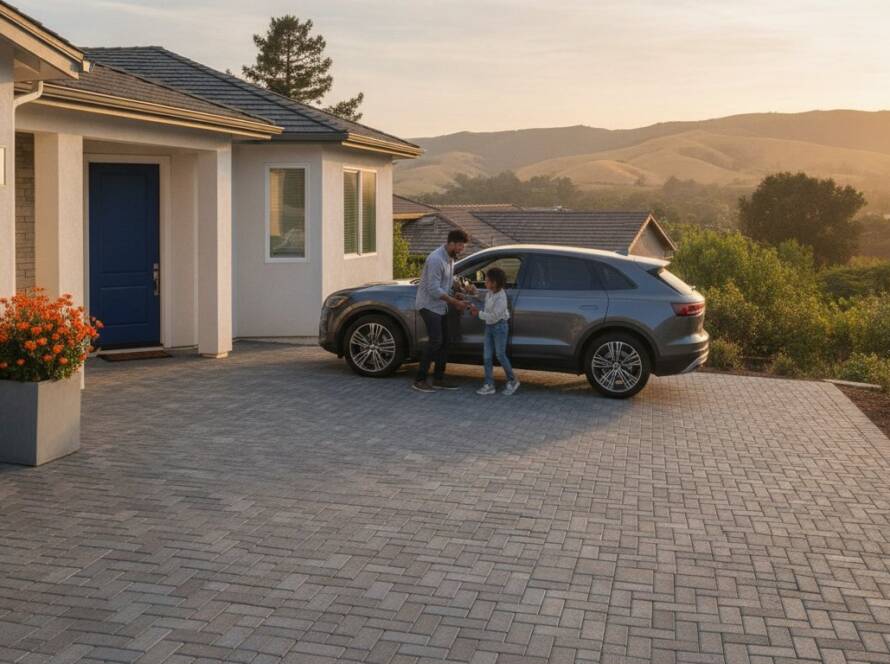
Natural stone appeals to those seeking a timeless, organic look. Flagstone and travertine offer unique color variations that manufactured products can’t perfectly replicate. They’re ideal for garden paths and decorative patios where character is the priority. Conversely, interlocking concrete pavers are the superior choice for high-load areas like driveways. They’re engineered for consistency and strength, often exceeding the weight-bearing capacity of natural stone. We focus on color-matching these materials to the local architectural palette, ensuring your hardscape feels like a natural extension of your home’s existing style rather than an afterthought.
Solving the #1 Hardscape Fear: Drainage and Soil Movement
Soil movement is the primary concern for homeowners in regions like Concord and Walnut Creek. These areas are notorious for expansive clay soil that swells when wet and shrinks during the dry season. This constant cycle exerts tremendous pressure on any outdoor structure. We solve this by focusing on the invisible parts of the project: the excavation depth and the sub-base. A properly engineered sub-base acts as a shock absorber, protecting your investment from the inevitable shifts of Northern California’s terrain. Without this foundation, even the most expensive backyard hardscape ideas will fail within a few seasons.
We manage water as a core part of every build. Heavy winter rains can quickly overwhelm standard surfaces, leading to pooling and foundation damage. We integrate professional drainage systems, such as French drains and weep holes, to move water away from your home’s foundation. These systems are essential for protecting the structural integrity of your retaining walls and patios. By planning for water movement before we lay a single stone, we eliminate the anxiety of “hidden” water issues that often arise after the first major storm. Homeowners throughout wine country who work with a qualified hardscape contractor in Napa County understand that proactive drainage engineering is what separates a lasting installation from one that fails after the first heavy season.
Why Pavers Outperform Poured Concrete in the Bay Area
Poured concrete is a rigid slab that must crack to relieve the stress of shifting soil. Once a slab cracks, the damage is permanent and requires unsightly patches or total replacement. In contrast, pavers are individual units that function as a flexible pavement system. They allow for micro-adjustments without compromising the surface’s visual or structural integrity. Interlocking describes a structural system where the shape and joint sand of individual units create a unified surface that resists horizontal movement in seismic zones. If an area ever needs repair, we can lift and replace individual stones without jackhammering the entire yard.
Managing Runoff: Permeable Systems and Local Codes
Bay Area “C.3” requirements for storm-water management are becoming increasingly strict. These regulations mandate that new construction manages runoff effectively to prevent pollution in local waterways. Permeable pavers are the most efficient solution for meeting these codes. They allow water to filter directly through the joints into the ground, which provides the environmental benefit of returning water to the local aquifer. Choosing a permeable paver installation often allows you to increase your “covered” lot percentage, as many cities don’t count these surfaces toward your hardscape limits. This allows you to build a larger patio while staying in full compliance with local ordinances.
Executing Your Vision: The Bayside Pavers Difference
We eliminate the common anxiety of projects that drag on for months. Every client works with a dedicated Project Manager whose primary objective is to maintain our 3-week completion goal for standard installations. This manager serves as your single point of accountability, coordinating all logistics from material delivery to final inspections. Whether you’re in Santa Rosa, San Ramon, or anywhere in between, this level of oversight ensures your project stays on track and meets the highest level of craftsmanship. We take full ownership of the lifecycle of your renovation, allowing you to focus on the end result rather than the daily grind of construction.
Fixed-Price Contracts vs. Estimates
Budget creep is one of the biggest fears in home improvement. Most contractors provide “estimates” that fluctuate as the project progresses. We take a different approach by offering fixed price hardscape contractor agreements. This means the price we agree upon is the price you pay. Our all-inclusive pricing covers every phase of the project, including:
- Professional demolition and removal of existing debris.
- Rigorous base preparation and soil stabilization.
- All premium materials and high-load pavers.
- Skilled labor and specialized equipment.
- Complete site cleanup and final walkthrough.
A 25-Year Warranty You Can Trust
We provide peace of mind through an industry-leading 25-year warranty on our installations. This coverage focuses on the structural integrity and quality of the workmanship, ensuring your patio or driveway remains stable despite the Bay Area’s seismic activity. We can offer this protection because we don’t cut corners on sub-base engineering or material selection. It’s a commitment to the long-term value of your home. If you’re ready to start your transformation with a partner that values precision as much as you do, schedule your free design consultation today. We’ll help you refine your backyard hardscape ideas into a professional plan that delivers lasting results.
Secure Your Outdoor Investment for the Future
Building a high-end outdoor space in the Bay Area requires a shift from simple decoration to precise engineering. You now have the framework to evaluate backyard hardscape ideas based on structural stability, water-wise compliance, and long-term ROI. By prioritizing flexible paver systems and advanced drainage, you protect your property from the common pitfalls of shifting clay soil. These choices ensure your yard remains a functional asset rather than a maintenance burden.
We eliminate the uncertainty of the renovation process through our structured management system. Every build features a dedicated Project Manager to ensure we hit our 3-week completion target without compromising quality. We stand behind our craftsmanship with a 25-year structural warranty, providing the peace of mind your investment deserves. It’s time to stop worrying about cracked concrete and start enjoying a durable, beautiful extension of your home. Get Your Free All-Inclusive Hardscape Estimate and take the first step toward a worry-free backyard transformation. We’re ready to help you build a space that performs as beautifully as it looks.
Frequently Asked Questions
How much does backyard hardscaping cost in the Bay Area?
Hardscaping costs depend on project scope, site accessibility, and your choice of materials. While labor rates for a two-person crew in the region range from $50 to $100 per hour as of 2026, the total investment is determined by site preparation needs like grading or demolition. We provide fixed-price contracts from a trusted hardscape contractor to ensure you have a clear financial plan without the risk of hidden fees or budget creep.
Do I need a permit for a new paver patio or retaining wall?
Permits are required for structural elements like retaining walls that exceed 4 feet in height in cities like Walnut Creek or Concord. Decks built more than 30 inches above the ground or pergolas larger than 120 square feet also typically require city approval. We manage the permitting process as part of our comprehensive service to ensure your project remains fully compliant with local building codes.
How long does a typical hardscape installation take?
A standard installation typically targets a 3-week completion timeline when managed through our structured system. Smaller projects like a single fire pit may move faster, while complex tiered walls on steep slopes require more time for precise engineering. Your dedicated Project Manager provides a clear schedule to ensure efficiency and consistent follow-through from demolition to final cleanup.
Are pavers better than concrete for California homes?
Pavers are significantly better for California homes due to their inherent flexibility in seismic zones. Unlike rigid concrete slabs that crack when the ground moves, interlocking units shift individually to maintain a level surface and structural integrity. This makes them the ideal choice for the expansive clay soil found throughout the Bay Area, where rigid surfaces often fail.
What is the best low-maintenance hardscape material?
Outdoor porcelain is the most low-maintenance material available for modern backyard hardscape ideas in 2026. It’s non-porous and resists moss, salt, and stubborn stains without the need for regular sealing or aggressive cleaning. This makes it a superior choice for homeowners who want a high-end, minimalist look that stays pristine with minimal effort over the years.
Can hardscaping help with backyard drainage problems?
Professional hardscaping is a primary solution for managing backyard drainage and preventing foundation damage. We use a combination of permeable materials, French drains, and strategic grading to move water away from your home and into the proper channels. These engineered systems are designed to handle heavy winter runoff while protecting the longevity of your outdoor living space.
How do I choose between permeable and non-permeable pavers?
The choice depends on your property’s specific drainage needs and local “C.3” storm-water management regulations. Permeable pavers allow water to filter directly into the ground, which helps you meet strict 2026 water budget mandates and reduces runoff. Non-permeable options are excellent for high-load areas like driveways when paired with a separate, professionally installed drainage system.
Does hardscaping increase my home value in Northern California?
High-quality hardscaping can increase a home’s sale price by 5 to 15 percent according to 2026 market data from Opendoor. In California, professional installations often see a return on investment between 100 and 200 percent because they add immediate functional square footage. It’s a visible improvement that significantly boosts curb appeal and distinguishes your property in a competitive real estate market.

Article by
Adriana Esposito
Adriana Esposito is the owner of Bayside Pavers, a woman-owned outdoor living company serving the San Francisco Bay Area. With over 16 years of experience, she specializes in designing and building custom paver patios, driveways, outdoor kitchens, retaining walls, artificial turf, and other outdoor living spaces. Through this blog, she shares expert tips, design inspiration, and practical advice to help homeowners create beautiful, lasting outdoor spaces.